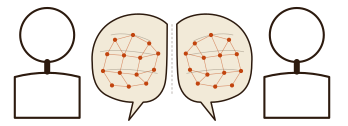

Clinicians get second opinions in two ways: formal referral or informal peer advice. Doctor2Doctor is built for the second path, giving clinicians a fast way to ask a specialist for perspective without starting a full consult process.
Built for clinicians in ND, SD, and MT who want a practical way to get specialist input when access is limited or timing matters.
What A Second Opinion Is
A second opinion is simply another clinician’s perspective on a diagnosis, workup, or management plan. Sometimes that happens through a formal specialty referral. Other times it happens more informally, through a peer conversation that helps the clinician think through the case.
Doctor2Doctor is designed for the informal version. It lets a clinician ask a focused question and get back a specialist perspective that can improve the plan right away.
When Clinicians Use It
Before placing a referral
The clinician wants to know whether specialty care is actually needed or whether the patient can safely be managed locally.
While waiting for an appointment
The patient is already referred, but the clinician still needs interim guidance while the specialty visit is pending.
When the case feels uncertain
A second perspective can help confirm the next step, rule out a missed issue, or make the plan feel safer.
What Doctor2Doctor Changes
Instead of waiting for a formal consult pathway, clinicians can ask for a de-identified curbside opinion. That makes it easier to get the right input at the right time, especially in neurology and psychiatry where access delays are common.
Clinicians can get a peer perspective sooner than a typical specialty appointment.
No formal referral workflow is needed just to ask a focused question.
The answer is tied to the current case, not a generic educational discussion.
How To Ask For One
The most useful second opinion requests are specific. The clinician should state the question, share enough context to orient the specialist, and say what kind of help they want.
- Describe the main clinical concern in one or two sentences
- Include the relevant history, exam, or testing already done
- Say what decision you are trying to make
- Ask for the next best step, not just confirmation
Who Benefits Most
This model is especially useful for clinicians who manage a broad set of problems and do not always have immediate access to subspecialty backup.
- Primary care clinicians in rural or small-town settings
- Teams handling neurologic or psychiatric questions with limited local support
- Clinicians trying to avoid unnecessary referrals
- Patients who need a safer interim plan while waiting
What It Is Not
A good second opinion should make the plan clearer, safer, and easier to act on.
Summary
Clinicians get second opinions through formal referrals or faster peer advice. Doctor2Doctor focuses on the faster path, giving clinicians a way to get specialist input without adding unnecessary friction.
Need a second opinion?
Join the clinician network and get de-identified specialist input when a case needs another look.